MetaTrader 5’s Charting Tools Raised the Bar for Filipino Traders
When Filipino traders compare platforms, they seldom lead with technical jargon when explaining why they eventually switched, more often citing a specific frustration with cramped, limited charting that made it hard to spot patterns clearly during genuinely volatile sessions. That practical annoyance has quietly nudged a segment of experienced traders toward MetaTrader 5 specifically for its expanded charting capabilities, more than any abstract appreciation for software architecture.
One of the more immediately obvious upgrades traders describe after making this switch is timeframe flexibility. Someone accustomed to working with a small number of timeframes suddenly gains access to a much more detailed set of options, enabling the kind of multi-timeframe analysis that serious technical traders increasingly treat as standard practice. This added flexibility matters particularly for traders building strategies that require validating signals across multiple timeframes before opening a live position.
The range of indicators built directly into this newer platform has also raised expectations among traders who previously assumed their charting toolkit was already reasonably complete. Additional built-in technical analysis tools mean more comprehensive default options now come packaged directly within the platform itself, so fewer traders need to hunt for third-party indicator downloads of uncertain reliability. Traders who spent years collecting custom indicators from across the internet often find that many of those must-have downloads are no longer necessary, since the platform now offers native equivalents.
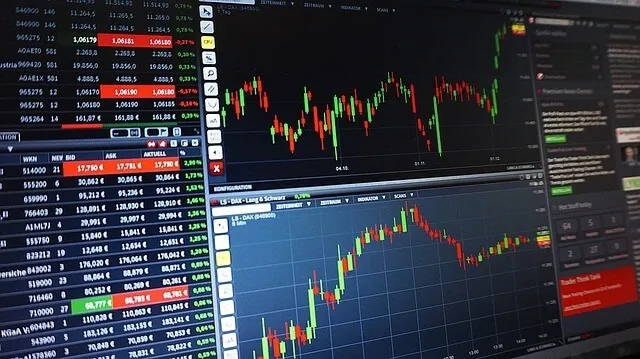
Image Source: Pixabay
The depth of market data available, something absent from the older platform many Filipino traders started with, has introduced considerations some traders never factored into their analysis before. A trader who only knows basic price action analysis faces a genuine learning curve around order book depth, a meaningful increase in analytical complexity open to anyone willing to invest the time to learn what this extra data reveals about market conditions, beyond simple price movement alone.
Backtesting has also improved substantially, addressing a specific frustration many experienced traders voiced about older software. Limited or unreliable strategies in testing are now strengthened by enhanced historical analysis, allowing traders to test potential strategies with far greater confidence against historical data before committing real capital to live positions. This improvement will appeal especially to those traders with an analytical bent who prefer hard strategy testing to gut feeling decisions.
Improvements are real, but adoption is spotty; switching costs and community habits still favor the older platform for some populations of traders. Traders who switch and take full advantage of the expanded capabilities will get clear technical advantages. Traders who are happy with the results they get sometimes see little incentive to relearn an interface for improvements in charting they may never use in practice. This hesitance is understandable and also accounts for the slow pace of migration. It is, in the end, the practical, needs-driven migration pattern that sets MetaTrader 5 apart among Filipino traders, not a wholesale rejection of the older platform that served an entire generation of traders reasonably well for years. Improvements to charting rarely are enough by themselves to convince comfortable traders to abandon familiar tools, but for those who felt hemmed in by inadequate analytical capabilities, this expanded toolkit has finally relieved a pressure that many had just learned to work around without ever directly solving.

Comments