Risk Management for Index Traders
Stock indices often appear less volatile than individual shares because they represent baskets of companies rather than single businesses. That characteristic leads some traders to assume they are naturally safer. While diversification can reduce company-specific risk, effective indices trading still depends on disciplined risk management because broad market sentiment can change quickly.
Major economic reports, central bank announcements, and geopolitical events can influence entire indices within minutes. Managing those risks requires more than simply identifying the next market direction.
The strongest trading plan begins with controlling downside exposure.
Position Size Should Reflect Market Conditions
Many traders use the same position size regardless of volatility.
That approach ignores how dramatically market conditions can change. During periods of elevated volatility, reducing exposure often provides greater flexibility than keeping position size constant. Smaller positions allow traders to tolerate wider price swings without increasing overall portfolio risk.
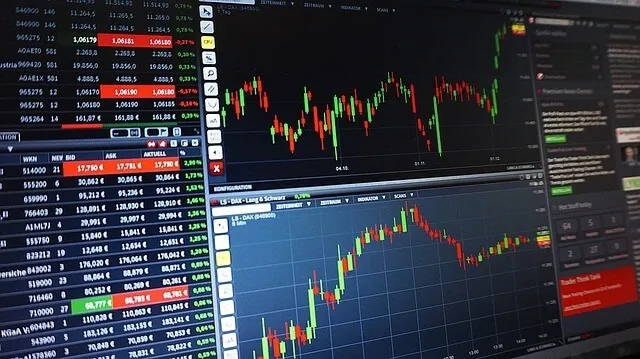
Image Source: Pixabay
Risk should adjust when the market changes.
Understand What Drives the Index
Every index responds to a different mix of industries and economic forces.
A technology-heavy benchmark may react strongly to interest rate expectations, while an index dominated by industrial companies could be more sensitive to manufacturing data and commodity prices. Understanding those underlying influences helps traders evaluate whether market moves are likely to continue or lose momentum.
The index reflects the businesses inside it.
Avoid Overlapping Exposure
Imagine a trader holds long positions in the S&P 500, Nasdaq 100, and a technology-focused exchange-traded fund at the same time. Although these appear to be separate investments, all three may respond similarly if interest rate expectations suddenly change.
The portfolio contains more concentration than it first appears.
Managing exposure across correlated markets is just as important as managing the risk of individual positions.
Plan for Scheduled Volatility
Economic calendars deserve close attention when trading indices.
Employment reports, inflation data, central bank meetings, and corporate earnings seasons frequently influence broad market sentiment. Entering new positions immediately before these events increases uncertainty because expectations can shift rapidly once new information becomes available.
Preparation often provides a greater advantage than reacting after the headlines appear.
Smaller Returns Can Produce Better Long-Term Results
A common misconception is that maximizing every opportunity leads to faster account growth.
Surprisingly, many experienced traders intentionally accept smaller gains in exchange for greater consistency. Taking partial profits, reducing exposure during uncertain conditions, or avoiding low-quality setups may seem conservative, but these habits often help preserve capital through changing market environments.
Protecting gains is part of growing them.
This is where indices trading becomes less about predicting every market move and more about managing exposure through different economic conditions. Broad market indices may represent diversified groups of companies, but they are still capable of sharp movements when investor sentiment changes.
Before entering your next index position, evaluate how much of your portfolio depends on the same market theme, how current volatility compares with recent conditions, and whether upcoming economic events could influence the trade. Managing those factors consistently is often more valuable than finding a slightly better entry price.