Why Faster Backtesting Matters
Every trading strategy looks convincing until it meets historical data. A chart can make an entry pattern appear obvious, but only repeated testing reveals whether that idea has held up across changing market conditions. That is why efficient backtesting has become an essential part of strategy development, and why platforms such as meta trader 5 have placed greater emphasis on improving testing performance.
Speed alone is not the objective. The real benefit is being able to evaluate more ideas without sacrificing the quality of analysis. When testing becomes quicker, traders are less likely to rely on assumptions and more likely to verify whether a strategy deserves real capital.
That difference can save weeks of unnecessary experimentation.
Test More Variations Instead of One Perfect Setup
Many beginners spend hours refining a single version of a strategy before checking whether it works. Experienced traders often take the opposite approach. They test multiple combinations of parameters, timeframes, and market conditions before deciding which version has genuine potential.
For example, adjusting a moving average from 20 periods to 25 periods might appear insignificant. Across hundreds of historical trades, however, that small change could noticeably alter win rates, drawdowns, and average holding time.
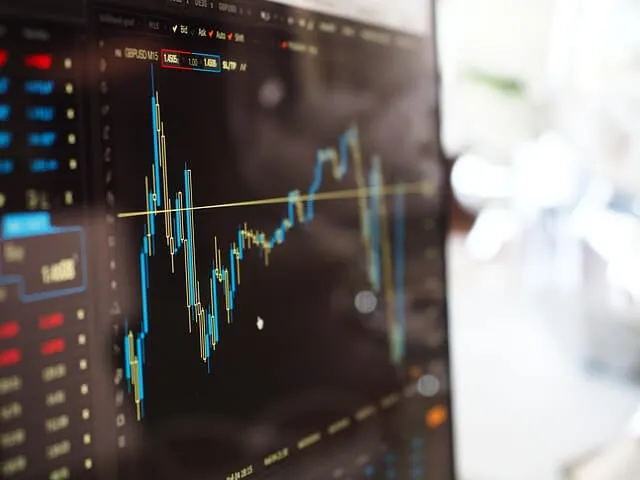
Image Source: Pixabay
Faster testing encourages curiosity rather than guesswork.
Market Conditions Change More Than Strategies
A system that performs well during a strong trend may struggle once markets become range-bound. Testing across several years of historical data helps reveal whether strong results came from a robust strategy or simply favorable market conditions.
Consider a breakout strategy applied to major currency pairs. During periods of elevated volatility following central bank policy shifts, the system may generate impressive returns. Apply the same rules during months of narrow price movement, and false breakouts could become far more frequent.
Looking at only one period of history can create a misleading sense of confidence.
More Data Does Not Always Mean Better Decisions
Here is the surprising part. Running thousands of backtests is not automatically productive.
Some traders continue tweaking indicators until historical performance looks nearly perfect. While that may produce attractive statistics, it often creates a strategy that has been tailored too closely to past data. Once live market conditions differ, performance can deteriorate quickly.
This process, known as overfitting, is one of the most common reasons why promising systems fail during real trading. Sometimes a strategy with slightly lower historical returns proves far more reliable because it adapts better to changing conditions.
Turning Historical Results Into Practical Decisions
Imagine preparing a trend-following strategy before a series of anticipated interest rate announcements. Rather than relying on a handful of recent trades, you backtest the rules across several years that include trending markets, periods of low volatility, and sharp reversals. The results reveal that the strategy performs consistently only when volatility exceeds a certain threshold.
That insight changes how the system is used. Instead of applying it every day, trades are taken only when market conditions resemble the environments where the strategy historically performed well.
Using meta trader 5 to complete that process more efficiently allows traders to spend less time waiting for tests to finish and more time interpreting the results. The value of backtesting is not measured by how quickly software processes data but by how effectively those findings improve future decisions.
Before putting any strategy into a live account, ask whether it has been tested across enough market environments to justify your confidence. A faster testing process makes that question easier to answer, but thoughtful analysis remains the step that ultimately determines whether historical results become practical trading decisions.