How FX Trading Data Is Helping South African Investors Anticipate Monetary Policy
Markets in South Africa are likely to be cautious about the direction that the Reserve Bank will take, especially when it comes to interest rates. Reading press releases is no longer sufficient, in fact, it is no longer prudent just to wait and see, been there and done that for the investor who is just trying to guess what the policy makers are up to next. More and more it is becoming dependent on examining money market flows. Previously, only experienced traders would have found such FX trading data useful; however, more South African investors are using such information to obtain indicators to guide them about possible future monetary policy changes.
The foreign exchange market is very responsive to the economic mood. Rand price fluctuations may reflect changing inflation or interest rate hike expectations, or more generally information about economic changes even before the authorities make indications. Some investors interpret a faster weakening of the rand as a market pricing in the likelihood of less tight policy or remain cautious when the currency weakens without a clear external shock. When it rallies ahead of a central bank gathering, then it can be an indicator of predicting that the central bank will take a more hawkish approach to inflation.
The amount of information that FX trading platforms produce is huge. That is the price movement, volume surges and positioning of traders. To South African investors, provides real-time insight into how the local and international players perceive the economy. They start sensing not only the mood of the market, but where sentiment is heading by making note of such changes.
Expectations are closely linked to monetary policy. One of the factors that central banks take action is with regards to their interpretation of the market and consumer reaction. That is why FX information can be of great help. It reveals shifts in sentiment as they occur. Investors have started paying greater interest in analyzing how quickly currencies respond to news headlines or data releases using that as the basis to develop opinion on whether the Reserve Bank will tighten or ease its policy in the coming weeks.
The usage of FX trading is not a separate area. It is part of a broader set of indicators, which also consists of the yields of bonds, inflation reports, employment statistics, and political trends. What is great about FX data, though, is immediacy. Currency markets report in real time, whereas official reports are retrospective. It is that dynamic that enables investors to identify an early warning of a swing in policy sentiment long in advance of the central bank taking its next leap.
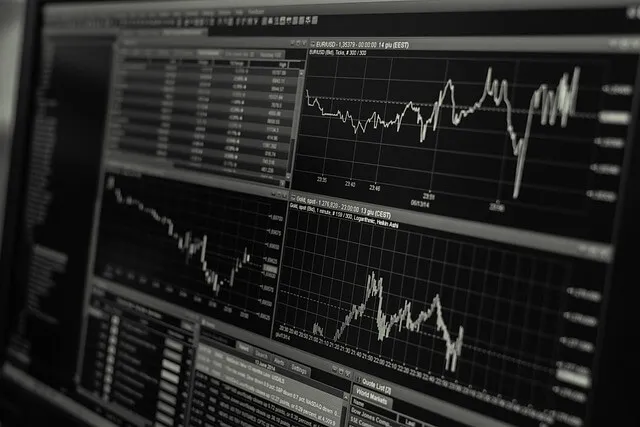
Image Source: Pixabay
These signals have long been used by institutional investors as they guide their decisions but recently individual investors and small firms are beginning to use them. A great number of them observe the market reaction to the addresses of the Reserve Bank officials or the global monetary policy-makers. When the rand is either too strong or too weak, it forms part of a broader picture they are developing to make investment decisions.
There is also an emerging interest in how foreign currency flows influence local expectations. It is not the case that the behavior of the rand lives in its own vacuum. It is affected by the dollar, the euro and even commodity demand such as gold and platinum. The FX trading information assists investors in South Africa to better understand these relationships, with clues on the impact of what happens in the international environment and how it can shape domestic interest rates.
Access to this kind of data has become increasingly user-friendly and due to the continued work on improving technology it is expected that this may be even friendlier. That which was the preserve of the institutional traders is what the ordinary investor increasingly enjoys as he or she attempts to remain ahead of the policy issues. The ability to obtain the real time information of the FX market has become an essential element of being informed and prepared in an economy where inflation, growth as well as stability all have their share of keen observations.

Comments