A Realistic Way to Start Forex Trading in Brazil Without the Noise
Most people in Brazil don’t discover Forex trading through textbooks or formal lessons. It usually starts in a much simpler way. Maybe you noticed the dollar rising again and wondered why everything suddenly feels more expensive. Or maybe a friend mentioned trading and it stuck in your head. However it begins, the curiosity is real, and it’s worth exploring properly.
But here’s the thing. The internet often makes it look like a fast track to easy money. It isn’t. If anything, it rewards people who take their time and approach it with a bit of patience.
First, Just Watch the Market
Before doing anything else, spend a few days simply observing. No pressure, no trades. Just open a chart and watch how it moves.
You’ll probably notice something quickly. Prices don’t move in straight lines. They rise, pause, fall, then repeat. Sometimes it feels random, sometimes it almost makes sense. That’s normal.
In Forex trading, this stage matters more than people think. It’s where you get used to how the market behaves. You’re not trying to predict anything yet. You’re just getting comfortable with what you’re seeing.
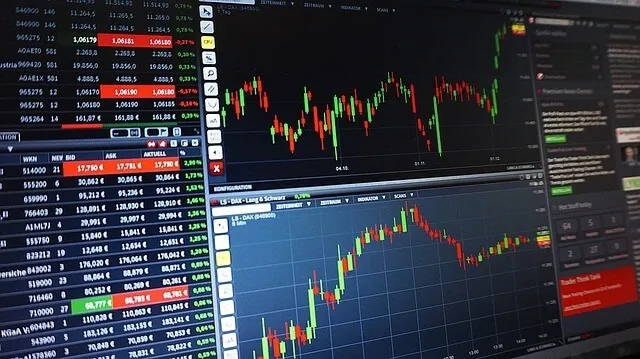
Image Source: Pixabay
Don’t Rush Into “Strategies”
A lot of beginners in Brazil jump straight into strategies they find online. They copy indicators, follow signals, and expect results straight away. Most of the time, it leads to confusion.
Instead, keep things simple at the beginning. Focus on one or two currency pairs. Notice how they react to news. See how they behave at different times of the day.
Once you understand the rhythm a little, strategies will make more sense. Without that foundation, they just feel like guesswork.
Practice Like It’s Real
Demo accounts are often overlooked, but they’re actually where real learning happens. Treat it seriously.
If you open a trade, ask yourself why you’re doing it. If it works, try to understand what went right. If it doesn’t, don’t just move on. Look at it again. What did you miss?
This is where confidence starts to build, not from winning, but from understanding. And that’s what keeps you steady when you eventually move into real Forex trading.
Keep Your First Steps Small
When you finally decide to use real money, keep it small. Smaller than you think you need.
There’s a tendency to want quick progress, especially when you see others talking about profits. But trading isn’t a race. Starting small gives you space to make mistakes without feeling like everything is on the line.
You’ll notice something interesting too. When the amount is smaller, your decisions become clearer. There’s less pressure, less panic, and fewer emotional reactions.
Build a Routine That Feels Natural
You don’t need to sit in front of charts all day. In fact, that usually makes things worse.
Pick a time that works for you. Maybe before work, maybe in the evening. Spend a bit of time checking what’s happening, then step away. Over time, you’ll start to recognize patterns without forcing it.
In Forex trading, consistency matters more than intensity. A calm, steady routine often works better than constantly chasing the market.
Learn When to Pause
Some days, nothing feels clear. The market moves strangely, or you just don’t feel focused. Those are the days to step back.
It might feel like you’re missing out, but you’re not. You’re avoiding unnecessary risk. Even experienced traders do this more often than they admit.
Knowing when not to trade is just as important as knowing when to enter.
Starting Forex in Brazil doesn’t need to feel complicated. You already understand how currency changes affect daily life. This is just a different way of engaging with that reality.
Take it slowly. Let things make sense in your own time. There’s no need to follow the noise or rush the process.
With patience and a bit of curiosity, Forex trading becomes less about guessing and more about understanding. And once you reach that point, everything starts to feel a little more natural.